
The war between the U.S. and Israel against Iran has primarily benefited Russia financially. Trump’s actions are playing right into Putin’s hands.
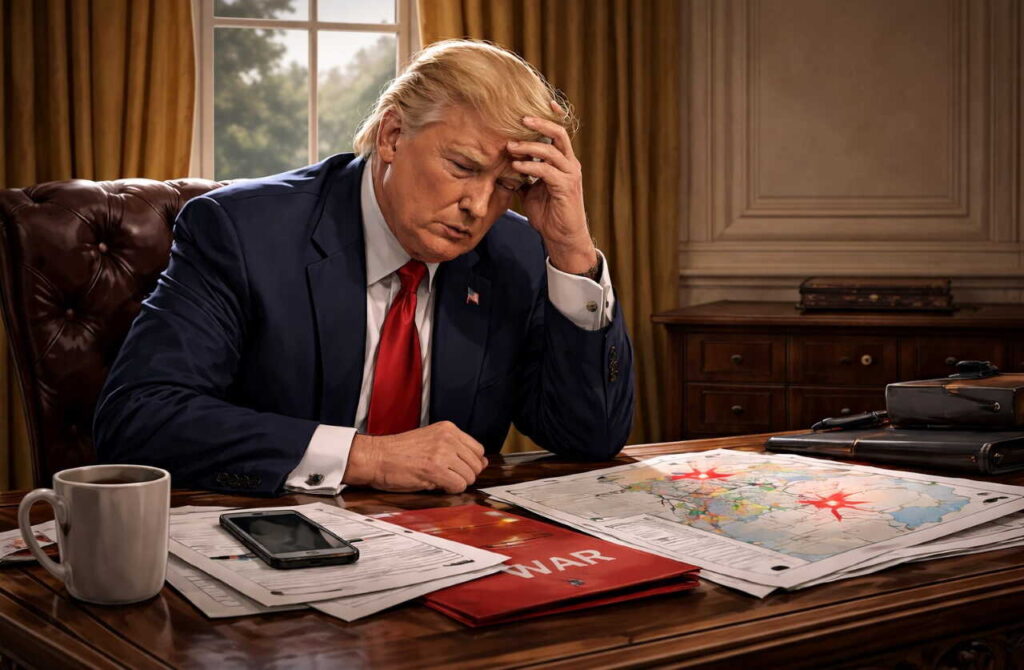
Sometimes it seems as though the most important decisions in world politics are made with astonishing ease—as if we were talking not about war, but about a quick round of golf.
Those who have decided that the constitutional right to declare war should belong exclusively to the President of the United States clearly have not given the matter sufficient thought.
Recent developments surrounding the U.S.-Israel conflict with Iran prompt reflection not only on the consequences of the war itself, but also on who has actually benefited from it. If we set aside the rhetoric and look at the facts, the picture turns out to be far less clear-cut than hardliners would like.
At first glance, it may seem that the operation achieved its goals, despite the financial losses incurred by the U.S. as a result of the war and the conflict is not yet over.
Yes, Iran has suffered significant destruction, its military capabilities have been weakened, and the country’s leadership has been targeted. However, in geopolitics, it is not only the immediate effect that matters, but also the long-term consequences. And this is precisely where the uncomfortable questions begin to arise.
For example, who stands to gain from rising oil and gas prices? The answer is obvious—first and foremost, Russia. The blockade of the Strait of Hormuz and attacks on the infrastructure of Gulf countries have redirected demand toward Russian energy resources, providing the Kremlin with enormous profits that can be used to continue the war in Ukraine. And this is happening against the backdrop of the fact that, until recently, the Russian authorities were experiencing serious difficulties in financing their military campaigns.
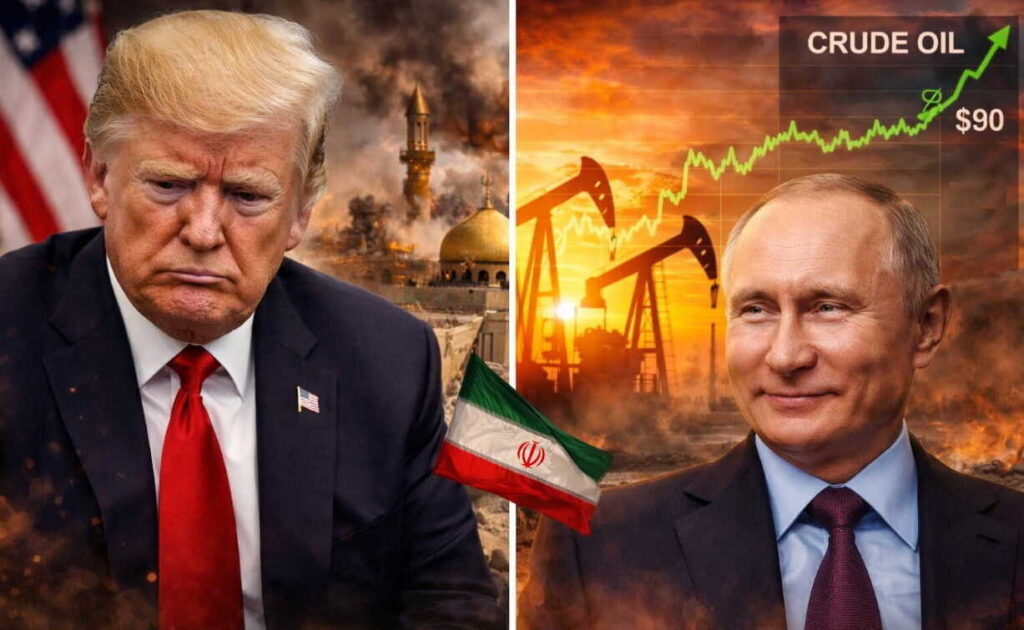
Is this a coincidence? Perhaps. But when such “coincidences” repeat themselves over and over, they cease to look accidental.
Another paradox is that the war, conceived as a means of weakening Iran, has in fact strengthened the most radical elements within the country. The death of the elderly Ayatollah, who, despite his hardline ideology, opposed the development of nuclear weapons, led to a change in leadership toward a more aggressive regime. The new leader, according to available information, holds a far harder line stance, and the Islamic Revolutionary Guard Corps appears to have only strengthened its position against the backdrop of an external threat.
This is a classic effect: external pressure has only united and strengthened the radicals. History knows many such examples, and each time the outcome turns out to be roughly the same.
The situation with the Strait of Hormuz—one of the world’s key trade routes—is no less telling. For decades, despite constant tension, it remained open. Now, however, the situation has changed. And it is not just about threats, but about a new reality in which Iran has learned to derive economic benefit from the conflict.
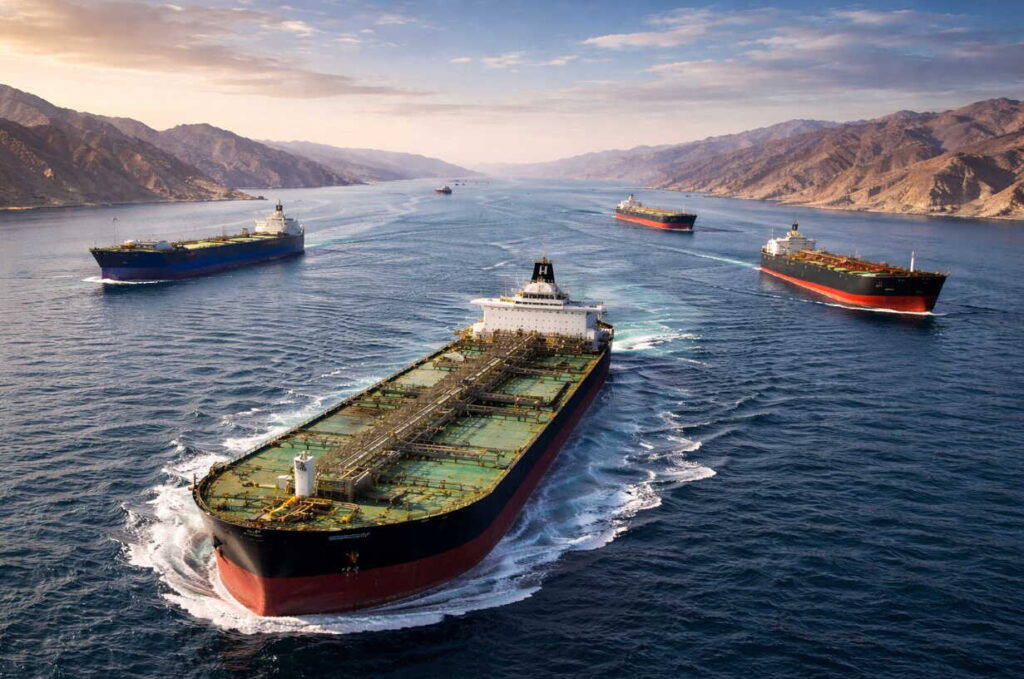
Today, Tehran continues to export oil, including to China, and is earning more than it did before the war began. Moreover, according to available data, the imposition of a de facto “toll” on tankers is turning the crisis into an additional source of revenue. After all, this money can be used to rebuild the army and strengthen military capabilities.
Against this backdrop, Donald Trump’s statements that the situation will “resolve itself naturally” sound, to put it mildly, naive. History has seen similar predictions before—for example, when Trump claimed that the global pandemic would disappear on its own with the arrival of warmer weather. Reality, as a rule, turns out to be far more complex.
But perhaps the most serious consequence of this war is the shift in how the U.S. is perceived in geopolitics.
Whereas Washington was previously perceived, despite criticism, as a pillar of the international order, different assessments are now increasingly being voiced. America, possessing the largest military arsenal, is beginning to look like an unpredictable player, ready to use force without a clear strategy or long-term plan.
Read more: Epstein Files: Testing the Strength of the US Justice System
This undermines the trust of allies and strengthens the position of those who were already skeptical of U.S. leadership. In international politics, reputation is a resource that is hard to earn and easy to lose. And in this case, the losses could be significant.
The result is a sense that, instead of a carefully thought-out strategy, we are witnessing a chain of impulsive decisions whose consequences extend far beyond the original objectives. The weakening of Iran proved to be temporary and partial; radicals have grown stronger; strategic routes are under threat; and Russia has reaped an economic windfall.
This is precisely the “own goal” that critics speak of. When actions intended to strengthen one’s own position ultimately work to the enemy’s advantage.
One can debate the motives, the calculations, and whether there was an alternative. But one thing is hard to deny: the world has become less stable after this war, and the balance of power more fragile.
And perhaps the main lesson is that in modern geopolitics, power without strategy is not an advantage, but a risk. A risk that can lead to consequences far more serious than originally anticipated.
This content reflects the author’s opinion.